PVC or aluminium? We decide together
Without pushing the pricier option. We compare both by what you'll actually feel at home, and tell you honestly which one suits your project and your budget.
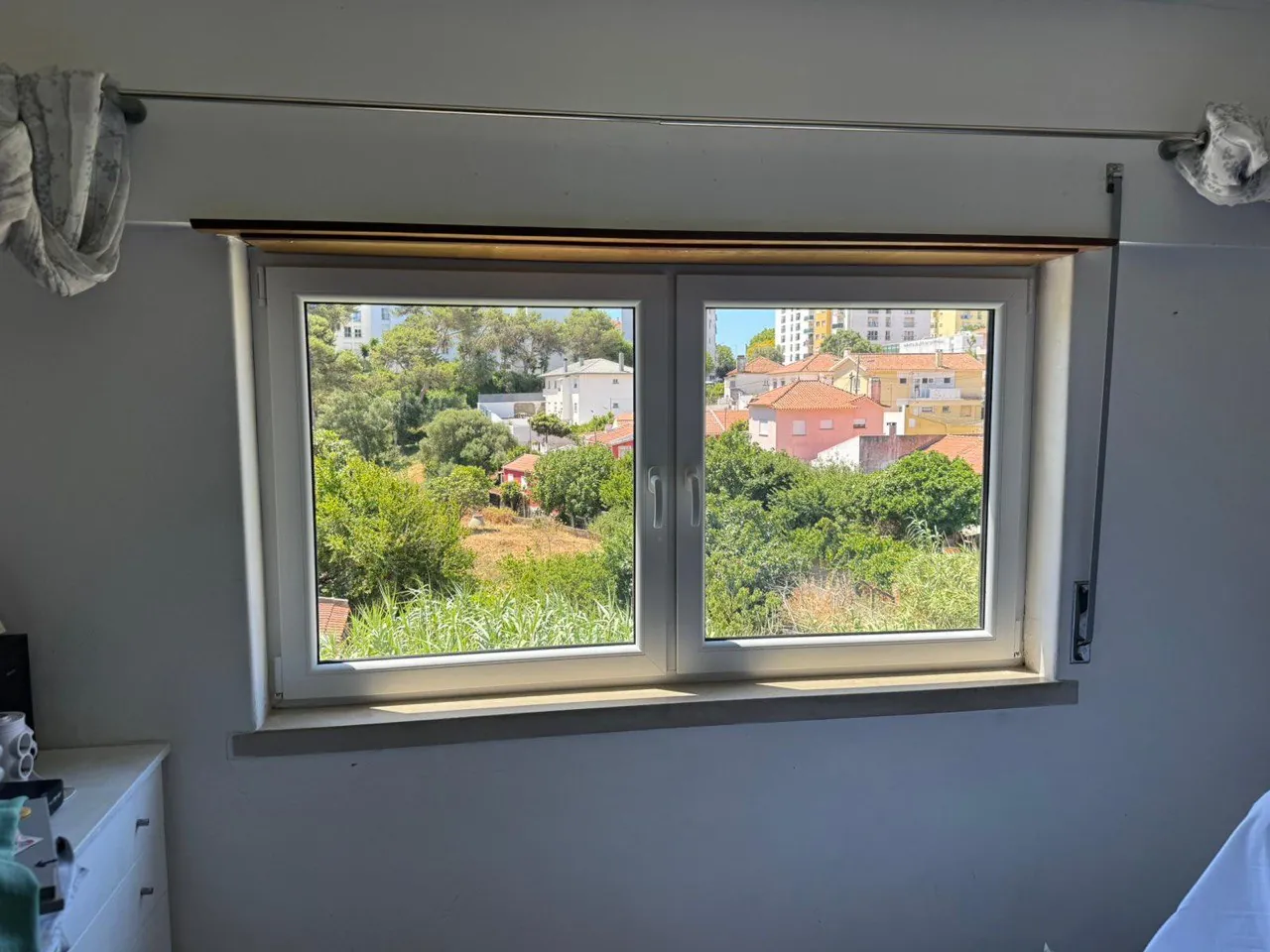
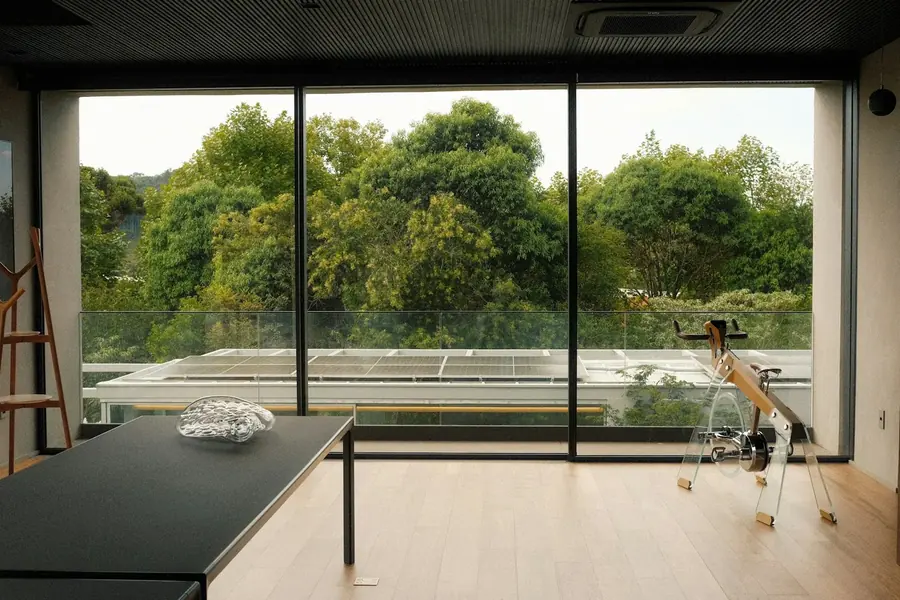
For most homes, PVC.
PVC insulates better per euro. Aluminium pays off for large openings, design, or homes right by the sea.
See the full comparison →Criterion by criterion, no beating around the bush
The ✓ marks the winner on each point. No spin, no pushing the pricier option.
In short: PVC wins where most homes need it most (thermal, acoustic, price). Aluminium wins where there are large openings, design demands, or coastal exposure.
Why each one wins, in detail
The table tells you what. Here's the why: the physics and engineering behind each row.
Thermal insulation
PVC is, by nature, a poor conductor of heat: the material itself already insulates. Aluminium is a metal: it conducts heat very well, so it needs a thermal break (a polyamide bar that splits the metal in two) just to stop being a direct thermal bridge between outside and inside. Even with a thermal break, aluminium sits slightly behind PVC on Uw, for an equivalent investment.
Sound insulation
The difference has more to do with sealing than with the material itself, but PVC, being extruded in closed chambers, tends to have more consistent factory seals. In both cases, the glass (not the frame) is what most determines the final result: see our guide to acoustic glass.
Price
Extruded PVC is cheaper to produce than aluminium with a thermal break, which requires an extra step (inserting the polyamide bar) and typically more worked profiles. Entry-level systems in both materials narrow that gap; premium aluminium systems (ultra-slim profile, large openings) widen it.
Large openings
Aluminium is structurally more rigid than PVC for the same profile thickness: it handles larger openings and big sliding doors without needing the internal steel reinforcement that PVC requires above certain sizes. That is the real technical reason, not just the aesthetic one, for choosing aluminium in large openings.
Slim profiles
That same structural rigidity allows for thinner profile sections that are still strong, which is why aluminium dominates minimalist contemporary design, with more visible glass area per opening.
Coastal exposure
With proper anodising or coating, aluminium resists prolonged salt corrosion better than PVC exposed to intense UV and constant sea spray. For homes right on the coast, it is the more robust long-term option.
So, which is your case?
Choose PVC if…
- What matters most to you is thermal and sound comfort, and a lower energy bill.
- Budget is a factor that weighs on the decision.
- Your home has standard-sized openings (regular windows and doors).
Choose aluminium if…
- You have large openings, sliding doors, or want to open the home up to the outside.
- Design matters: slim profiles, minimalist lines, an anthracite look.
- Your home has contemporary architecture or is exposed to the sea.
Still unsure? Answer 4 questions
We'll give you a recommendation on the spot. It's guidance, not a commitment.
How much each one costs
Indicative values per m², with installation and warranty included. The final price is confirmed after a free measurement visit.
In Lisbon? There is a page with prices and parishes for the capital.
Prices by window type, by project size (2-bed, 3-bed) and a brand-by-brand system comparison in the full pricing guide.
Same home, same layout of openings; only the material changes. The price difference isn't linear: a premium aluminium system can cost almost 3× the equivalent PVC, not the "20-40%" you'll read elsewhere. Indicative values; the exact estimate depends on your home's actual measurements.
Frequently asked questions: PVC vs aluminium
For most homes, PVC (uPVC): it insulates better per euro spent, against both heat loss and noise, and it costs less. Thermal-break aluminium is the better choice in three cases — large openings and sliding doors over ~2.5 m, when slim profiles and design come first, or on a façade heavily exposed to the sea. Neither is better in absolute terms: there is a right one for each opening, and the two can live in the same house.
PVC, always. The difference varies quite a bit depending on the system: an entry-level aluminium with thermal break runs around 30-40% above equivalent PVC, but premium systems with a very slim profile can cost 2-3 times more. See the breakdown by system and brand in our pricing guide.
Yes. It is common: PVC in bedrooms and everyday rooms for comfort and price, aluminium in the living room or balcony for the large openings. We install both with the same care.
Aluminium without a thermal break, yes, conducts a lot of heat. It is an inherent limitation of the continuous metal bar, not a defect. Aluminium with a thermal break and double Low-E glazing gets close to PVC and meets the Uw required for your climate zone. Even so, per euro invested, PVC insulates slightly better.
Aluminium. It is rigid and light, so it handles wide openings and large sliding doors that PVC, being more flexible, cannot. That is the main reason to choose aluminium.
Both last 25-30 years with low maintenance. Certified PVC does not yellow or warp; aluminium resists corrosion well, with proper treatment on the coast. Lifespan does not decide between the two.
In PVC, certified systems such as Cortizo, Veka, Deceuninck and Aluplast, with 5-7 internal chambers depending on the level you want. In aluminium, Technal and other systems with approved thermal break. We specify the exact system in your quote, not just a generic "quality PVC".
That is subjective. Aluminium allows very slim profiles and the contemporary anthracite look; modern PVC also comes in anthracite and wood-effect finishes. We can show you examples of both.
Wood insulates well and ages with a character that neither PVC nor aluminium truly imitates, but it needs regular maintenance (varnish, treatment) that the other two materials avoid. We do not work with solid wood for that reason. Hybrid systems (wood inside, aluminium outside) exist on the market for those who want that look indoors without the outdoor maintenance, but they are an investment above either option in this comparison.
Aluminium is the most commonly recycled metal in current use: it can be recycled indefinitely without losing quality, and much of new aluminium already contains recycled content. PVC is also recyclable, but the dedicated collection network for end-of-life PVC profiles is still less mature in Portugal than aluminium's. Neither one decides the choice on its own; insulation and price matter more for most homes.
We'll tell you which suits your home
Without pushing the pricier option. Reply within 1 business day, with a quote for both materials if you want to compare.